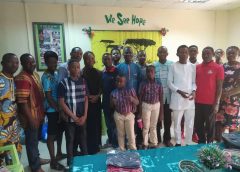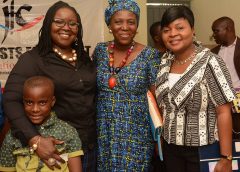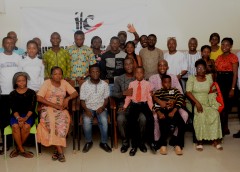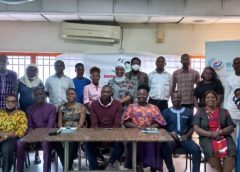
As the world marks the 2025 16 Days of Activism Against Gender-Based Violence with the global theme “Unite to End Digital Violence Against Women and Girls,” Journalists for Christ International Outreach (JFC) is calling for urgent, coordinated action to tackle the rising wave of online misogyny and tech-facilitated gender-based violence (TF-GBV) in Nigeria.
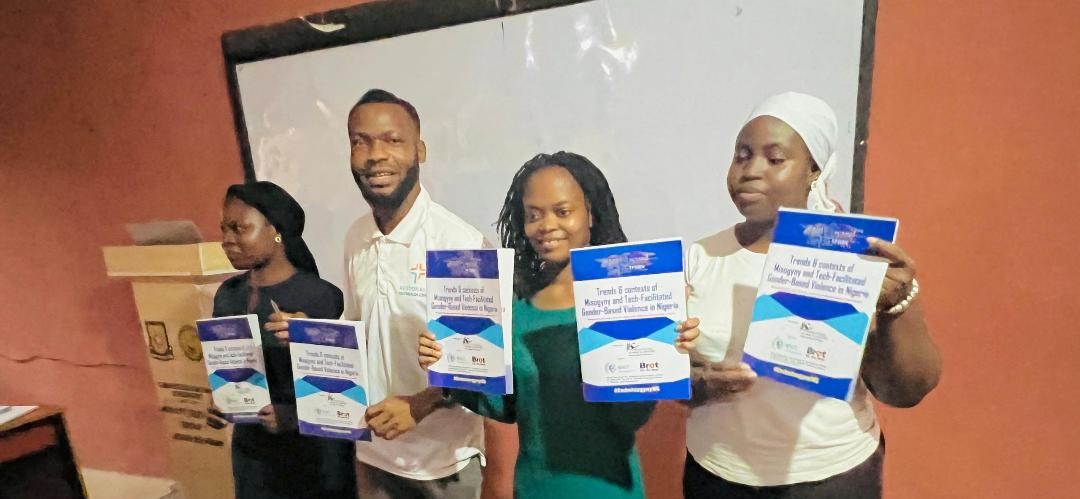
This call builds on findings from our recent report, #EndMisogynyNG: Media Monitoring Report on Misogyny and Online Violence Against Women, produced with support from WACC Global and Brut fur de Weilt. The report highlights alarming trends of gendered abuse in Nigeria’s digital spaces, revealing that women, particularly female journalists, face an escalating pattern of online attacks that threaten their safety, dignity, and participation in public life.
Online spaces are becoming more hostile for women
The #EndMisogynyNG report documents widespread use of abusive, sexualised, and demeaning language targeted at women on social media platforms. These attacks are not random: they are deeply gendered, reflecting entrenched patriarchal norms that continue to shape how women are treated both offline and online.
Women journalists and media professionals are at particular risk, facing harassment that questions their professional competence, morality, and appearance, simply because they speak out or occupy public platforms.
Tech-facilitated GBV is rising
The report highlights a disturbing rise in forms of TF-GBV, including:
-
cyberstalking,
-
doxxing,
-
non-consensual image distribution,
-
sexualised hate speech, and
-
coordinated online harassment campaigns.
Weak enforcement of platform safety policies, limited transparency from social media companies, and inadequate national legal frameworks allow these abuses to thrive with little consequence.
A timely milestone for Lagos state
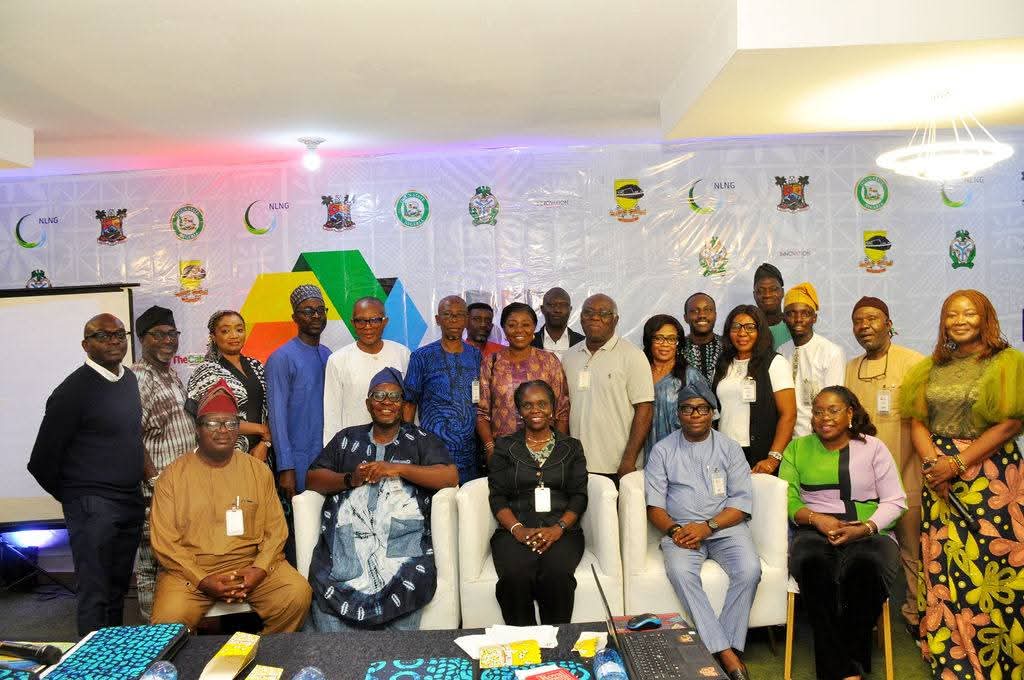
This year’s 16 Days campaign coincides with an important step forward in Lagos State: the Draft Policy on Technology-Facilitated Sexual and Gender-Based Violence, which has undergone stakeholder review ahead of its launch on December 10.
This development aligns with one of the key recommendations from the #EndMisogynyNG report, which calls for stronger laws, enforcement mechanisms, and policy measures to address online GBV. We are proud to have contributed to this progress through research and advocacy.
JFC’s call to action
As Nigeria joins global efforts to end tech-facilitated gender-based violence, We are urging:
1. Government agencies
-
to strengthen legislation addressing online abuse in Nigeria;
-
to accelerate implementation of the TF-GBV policy in Lagos;
-
to invest in digital safety training, forensics, and survivor support.
2. Social media platforms
-
to enforce community standards consistently and transparently;
-
to improve reporting and takedown mechanisms;
-
to prioritise safety of women, especially journalists and young women.
3. Civil society and faith-based organisations
-
to help raise awareness on digital safety;
-
to support survivors;
-
to challenge harmful gender norms that fuel online violence.
4. Journalists and media professionals
-
to amplify survivor voices;
-
to report responsibly on online GBV;
-
to push back against misogynistic narratives.
A Commitment to Ending Digital Violence
In alignment with this year’s theme, we believe that digital violence is real violence, with psychological, economic, and sometimes physical consequences. Online safety is therefore not optional — it is a fundamental right.
We believe that women and girls deserve to participate fully, safely, and confidently in digital spaces. This 16 Days of Activism is a reminder for all stakeholder groups to unite and ensure that online spaces do not become another site of harm.
Signed:
Mrs Ugonma Cokey
Vice President
Journalists for Christ (JFC)
For media enquiries:
Mrs Funmi Falobi
Gender Lead
Journalists for Christ (JFC)
+234 805 347 3949